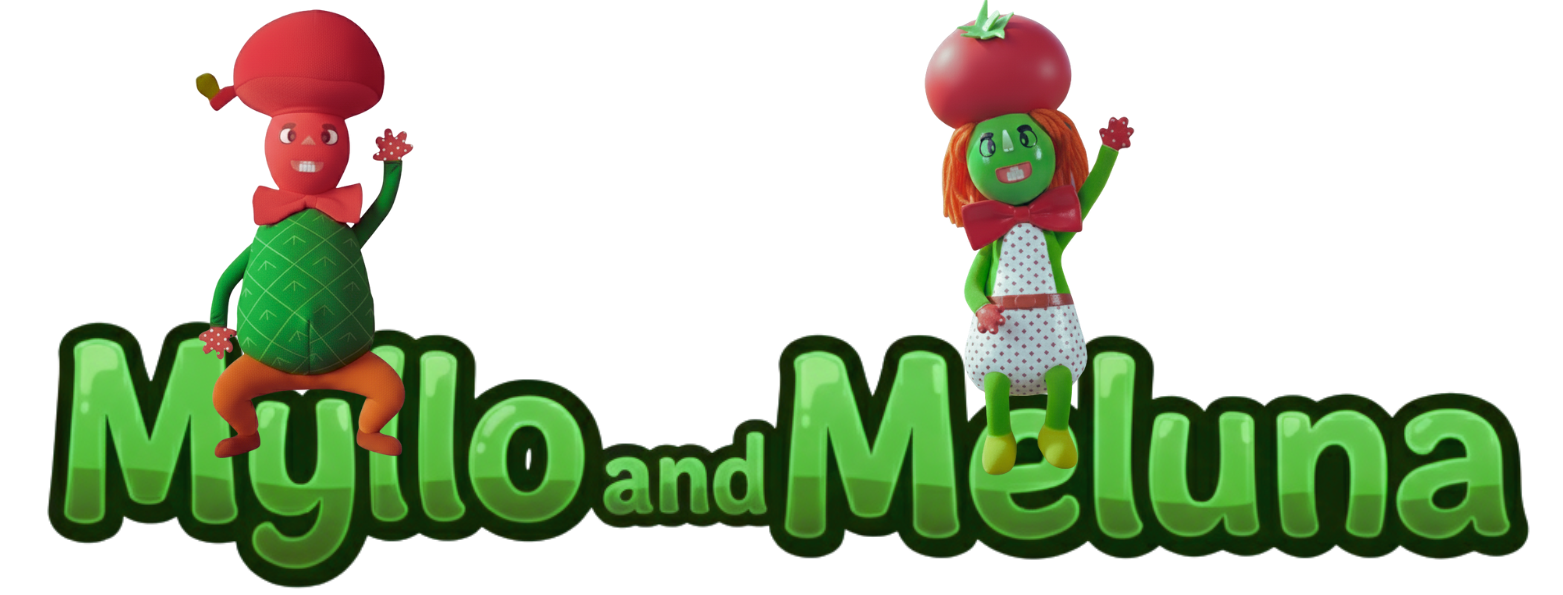
Even the journey toward healthy habits has its ups and downs. Here is a playful look at how Mr. Myllo and Miss Meluna help turn small struggles into joyful successes, one colourful bite at a time.
Turning Mealtimes Into Moments of Joy
Helping children enjoy healthy eating does not have to feel like a battle. If you have ever found it tricky to get little ones excited about vegetables, you are certainly not alone.
Children learn by watching. When parents genuinely enjoy colourful meals and celebrate fresh food, little ones often copy that enthusiasm. Healthy eating begins at the table, and it starts with you.
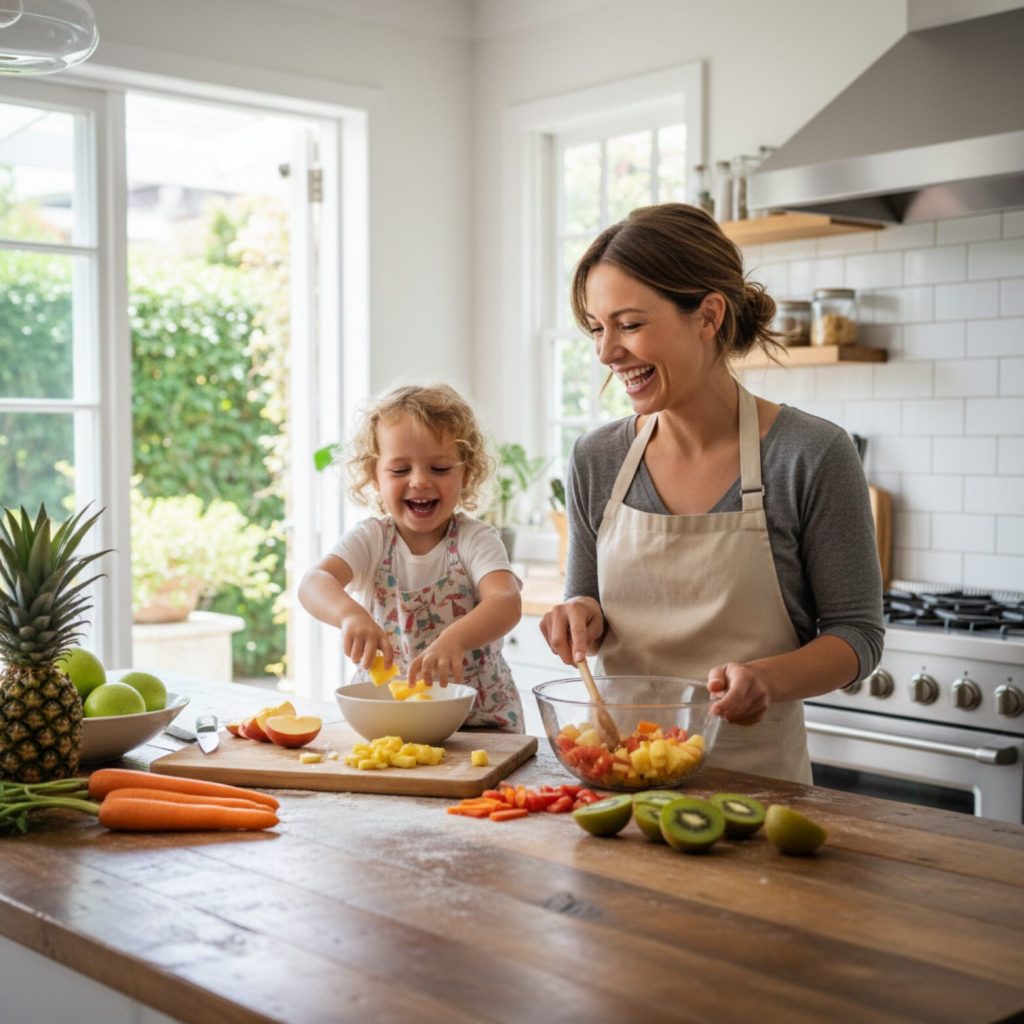
Rather than turning vegetables into a rule, make them part of a shared experience. Laugh, taste, explore, and enjoy food together. It is about connection as much as nutrition.
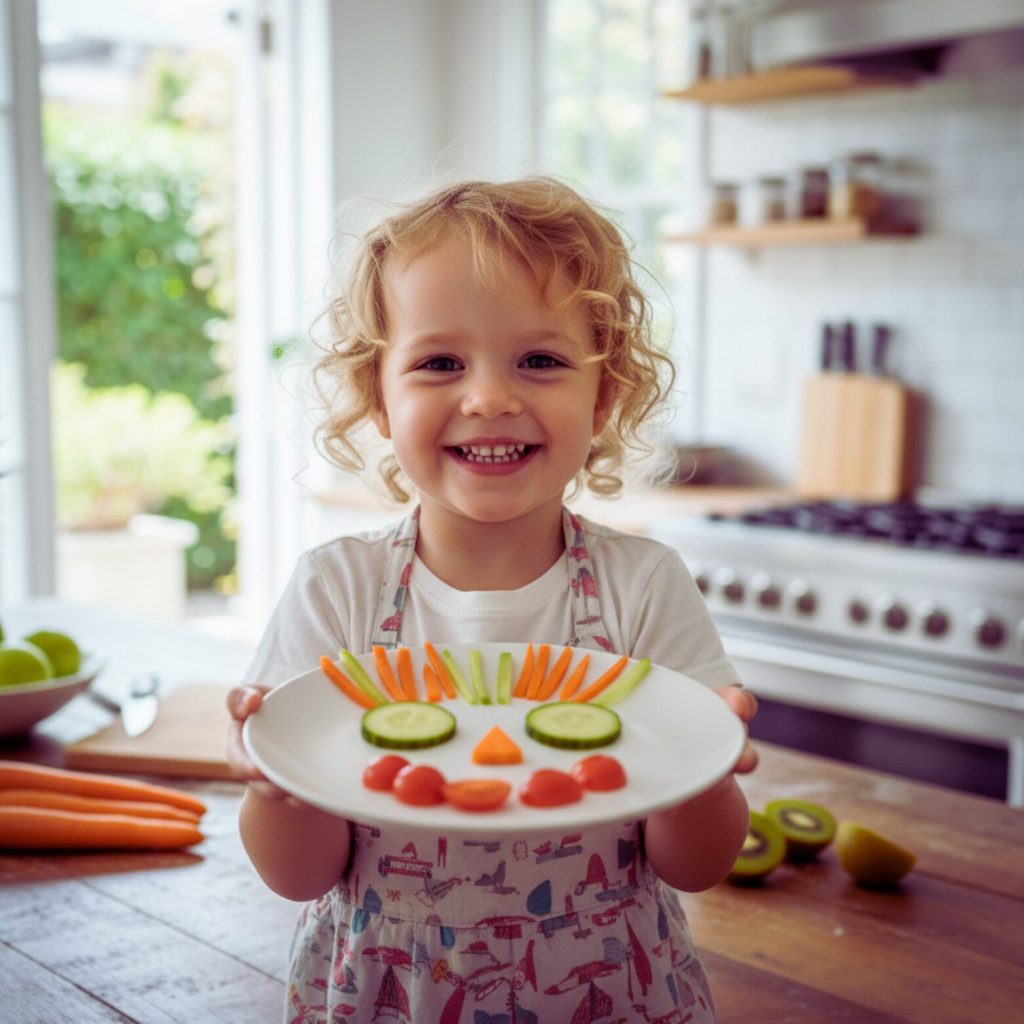
Every parent knows this face, the one that says “no” to peas and broccoli. Healthy habits grow from patience, play, and love.
In many families, when parents find ways to make vegetables tasty and fun, children follow naturally. Studies from the British Nutrition Foundation show that repeated exposure, gentle encouragement, and shared mealtimes make children more willing to try new foods.
So if vegetables feel dull for you, they will seem dull for your child too. But if you get excited, roasting, blending, or even naming them funny things, your child will see them as something worth exploring. The secret is simple: keep it flavourful, fun, and full of colour.
A Fun Solution for You and Your Kids
Healthy eating should never feel pushy. It should feel playful. That is where our fruit and vegetable plushies and interactive learning tools come in, turning wellness into a game that children actually want to play.
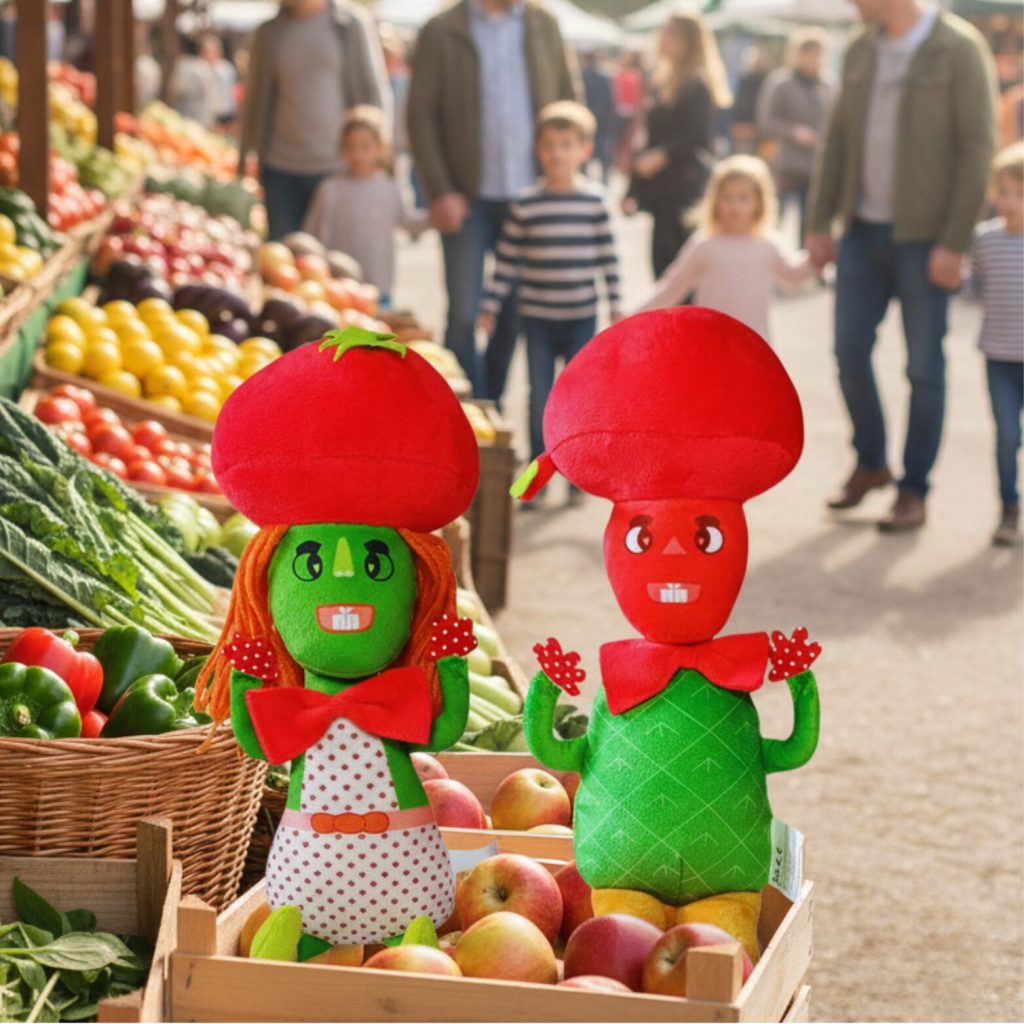
- Plushies: Each plush friend is inspired by fruits and vegetables and acts as a fun reminder of healthy choices. They make eating well feel warm, familiar, and full of character.
- Activity Book: Packed with poems, stories, and colouring pages, it helps children connect with healthy habits through play.
- Social Media: Follow us on Instagram, Facebook, and Pinterest for quick family recipes, playful ideas, and creative ways to make mealtimes more joyful.
When learning is hands-on and happy, it sticks. That is exactly what healthy habits need to grow.
Feedback from a Local Primary School
At South Street Primary School, children tried our healthy habits book and loved it. Teachers shared that the messages were clear, engaging, and easy to follow. The activities and colouring pages were a big success, helping children relax, focus, and express themselves.
Art and colouring also support fine motor skills and mental wellbeing, according to research from NHS Education for Scotland. This type of creative play is a perfect match for building healthy habits.
Closing Thoughts
Every healthy habit begins with small, joyful steps, a little laughter, a splash of colour, and a shared moment around the table.
Thank you for being part of a community that believes healthy eating can be fun, creative, and full of love. Together, we can keep growing stronger and happier, one colourful plate at a time.
Looking for more ways to make healthy living enjoyable? Meet our playful friends Mr. Myllo and Miss Meluna, and bring their magic home.
FAQs
1. Why do children refuse vegetables?
Many children avoid new foods because of taste, texture, or unfamiliarity. Research shows it can take between ten and fifteen tries before a child accepts a new vegetable, so patience really does help.
2. How can parents make vegetables fun?
Get creative. Try colour-themed meals, veggie faces on wraps, or let your child pick a “rainbow vegetable of the week.” Keep mealtimes positive and playful.
3. Should I hide vegetables in food?
You can blend them into sauces or muffins, but also show them in full form. Being open about what is in their food helps children recognise and trust vegetables in the long term.
4. Can play improve eating habits?
Yes. Playful learning, especially when children cook or play with food-related toys, helps build curiosity, confidence, and positive associations around healthy eating.
Looking for more ways to make healthy living fun? Meet our playful friends, Mr. Myllo and Miss Meluna, and bring the magic home!
Thank you for your support!
