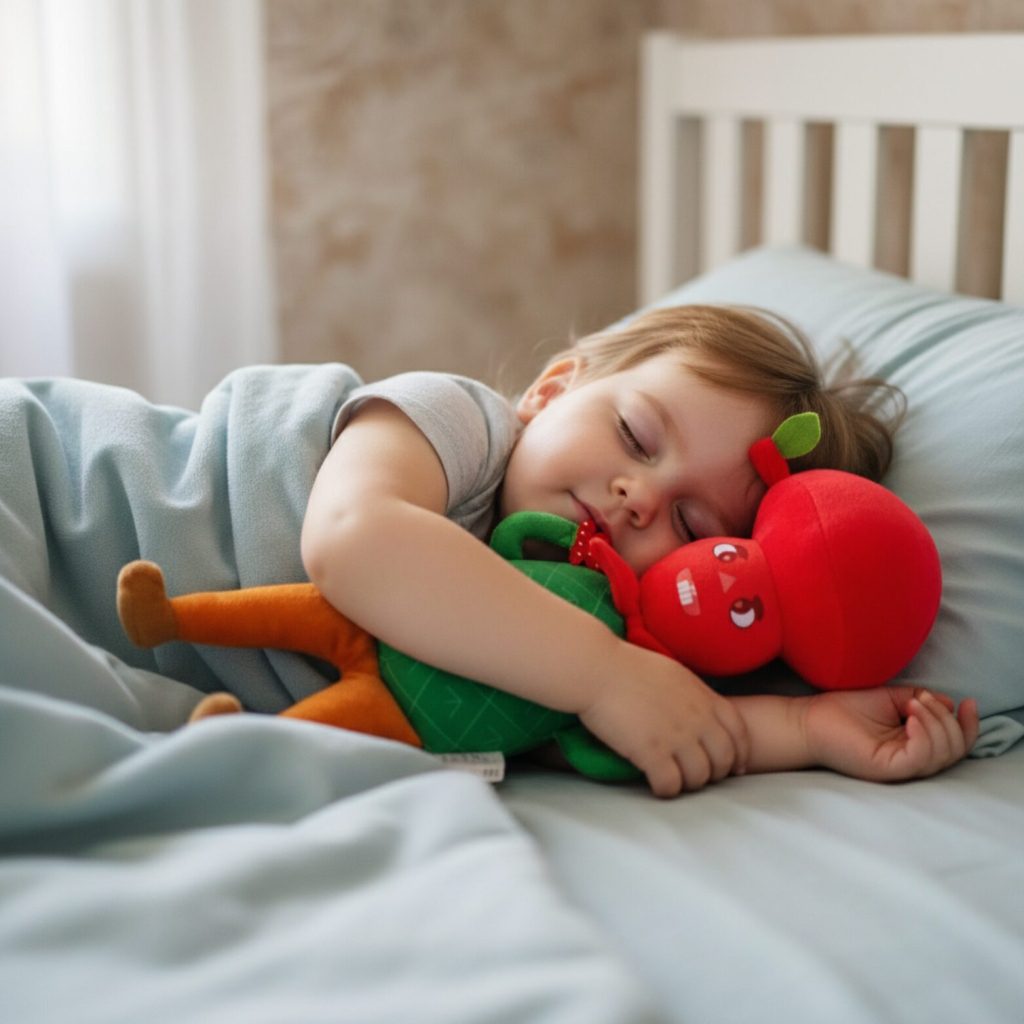
At MnMCutesy, we believe play is more than just fun — it’s one of the most powerful ways children grow, learn, and connect. Play helps children understand their feelings, build confidence, and develop vital life skills.
Recently, feedback from South Street Primary School has shown us just how much our plushies, Mr. Cutesy Myllo and Miss Cutesy Meluna, mean to children with special educational needs (SEN). Their response reminds us that playtime can be both joyful and deeply meaningful, especially when it includes soft, safe companions that children can hold close.
A World of Colour and Comfort
One of the most magical features of our plushies is their vibrant rainbow of colours, six cheerful hues inspired by fruits and vegetables. Bright, natural colours do more than catch the eye; they can gently stimulate focus and curiosity, especially for SEN children who respond well to visual patterns and contrast.
Research on colour and learning suggests that bright visual cues can help improve engagement and memory in children with sensory and attention differences. By creating toys that combine warmth, contrast, and friendly faces, we aim to offer comfort through colour as much as through touch.
Hear It From Them: Customer and School Testimonials>>
Sensory Benefits
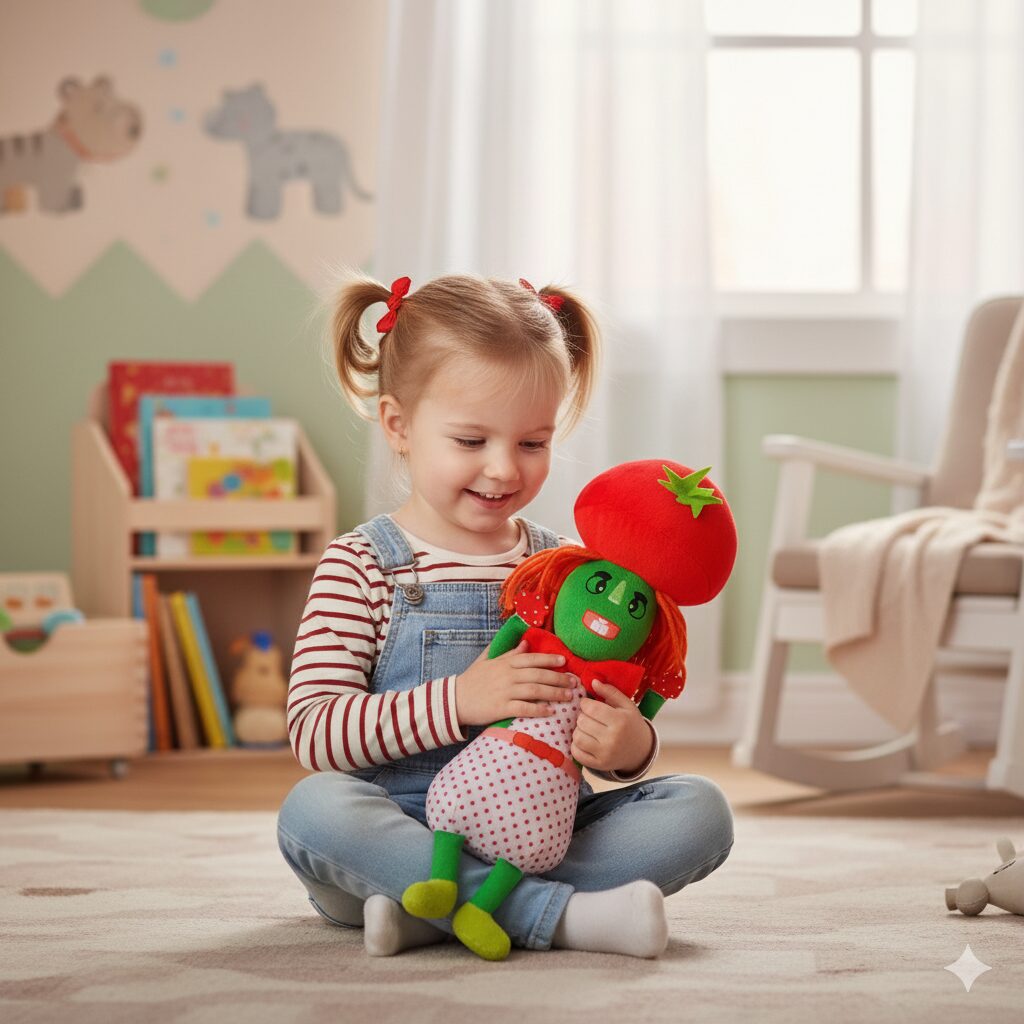
Beyond their cheerful look, our plushies offer a rich sensory experience. Each one is made with soft, durable fabrics that invite gentle cuddles, squeezes, and play. This tactile comfort helps children who experience sensory processing differences feel calm and grounded.
Inside, a flexible yet safe structure allows light bending and shaping. This encourages children to explore movement and practice fine motor skills, such as gripping and coordination. Sensory toys like these are proven to reduce anxiety, improve concentration, and support emotional regulation, especially in children on the autism spectrum or with sensory sensitivities.
(Source: National Autistic Society UK, 2024; Autism Parenting Magazine, 2023)
Emotional and Social Learning
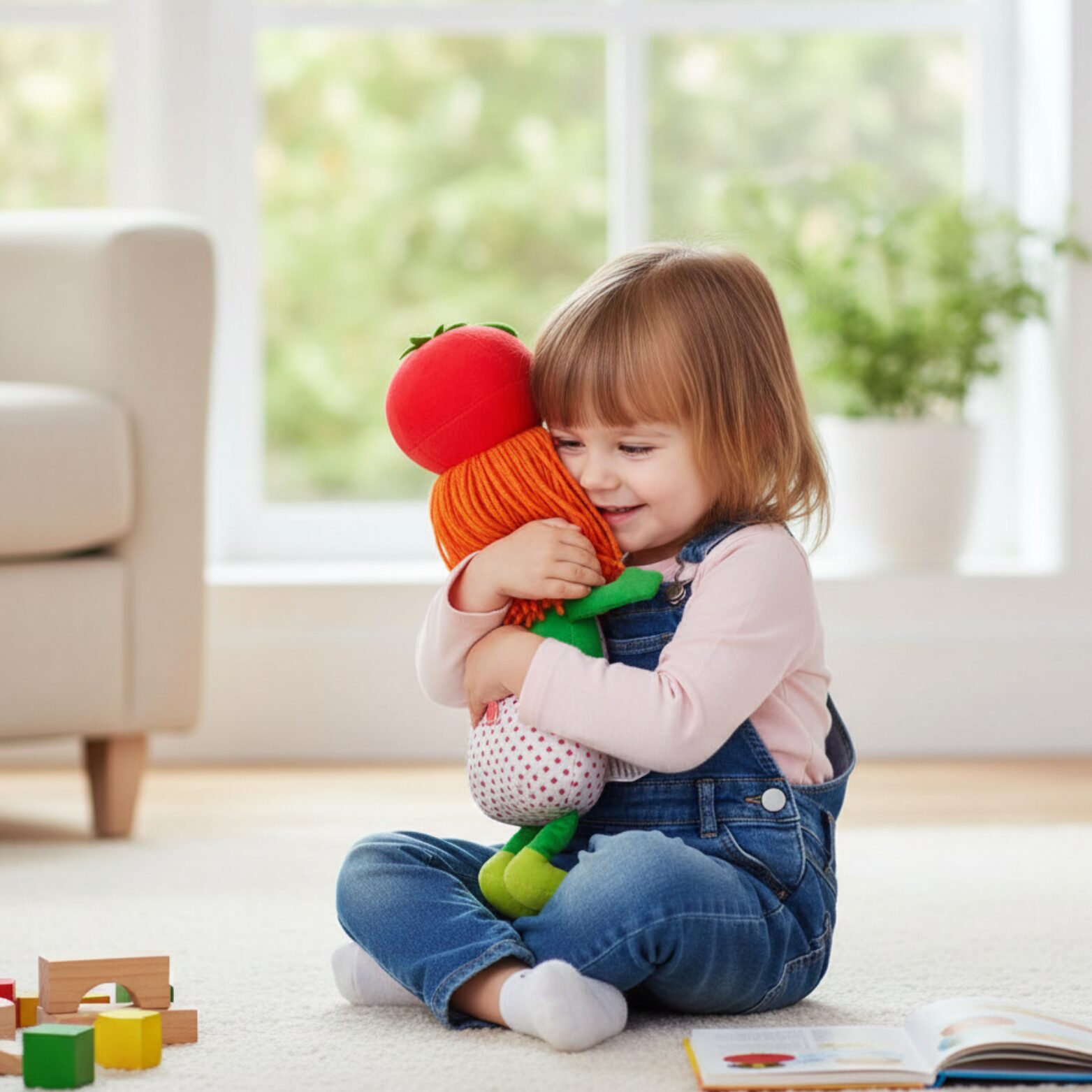
For many children with SEN, social and emotional learning can feel challenging. Plush toys can help bridge that gap. Through imaginative play, talking to, caring for, or pretending with their soft companions, children can safely express feelings, learn empathy, and build social awareness.
In classrooms and homes, we’ve seen children use Mr. Cutesy Myllo and Miss Cutesy Meluna as tools for sharing emotions. A simple activity like asking, “How do you think Myllo feels today?” can open conversations that children might otherwise find difficult to start.
Inclusive Play
Every child deserves to feel included in play. That’s why MnMCutesy plushies are designed with inclusivity and accessibility in mind. Whether through storytelling, role play, or simple quiet moments, our soft friends support a wide range of needs and personalities.
For children who prefer gentle play, the plushies become calm companions. For others who thrive on imagination, they become characters in rich stories that build confidence and creativity. Inclusive toys remind every child that they belong in the world of play.
Hear It From Them: Customer and School Testimonials>>
Closing Thoughts
The kind words and feedback from South Street Primary School mean the world to us. They show that thoughtful toy design can have a real impact on children’s wellbeing and participation.
We’re grateful to every parent, teacher, and child who has welcomed our plushies into their learning spaces. Together, we can keep creating a world where play feels safe, joyful, and full of opportunity for all children, one cuddle at a time.
FAQs
1. What is sensory play?
Sensory play is any activity that helps children explore the world through touch, sight, sound, taste, or smell. It supports brain development and helps with focus, calm, and coordination.
2. How can plush toys help children with special educational needs?
Soft toys can give gentle sensory feedback through touch, warmth, and movement. They help children relax, express emotions, and practise social and communication skills.
3. Are all soft toys suitable for sensory play?
Not all toys are designed for sensory support. Look for ones that are soft, safe, washable, and age-appropriate. Always supervise toddlers and check for loose parts.
4. Can sensory play help at school?
Yes. Teachers often use sensory tools to help children regulate emotions, focus better, and join group activities. Plush toys can be part of that toolkit.
5. Do sensory toys replace therapy?
No. Sensory toys support everyday comfort and learning, but they don’t replace professional therapy or educational plans. They’re a gentle, helpful addition.
